Introduction
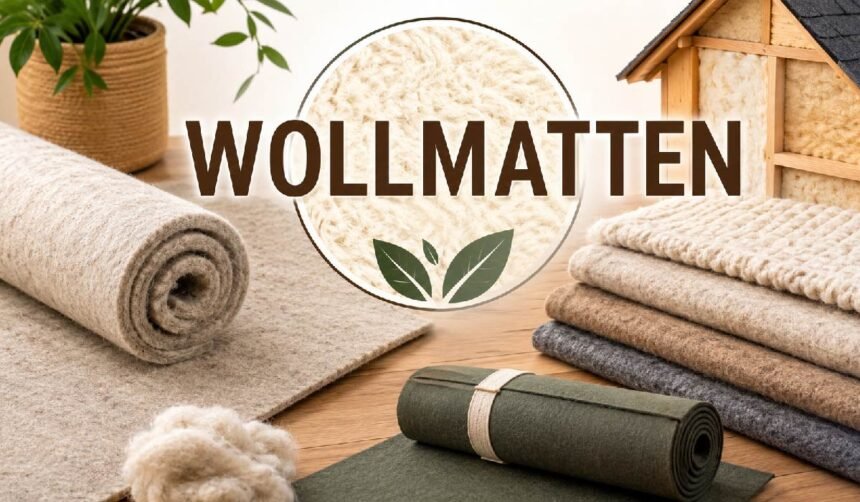
Wollmatten are natural mats made from sheep wool. The word comes from German, where “Woll” means wool and “Matten” means mats. In simple terms, wool mats are wool mats used for comfort, insulation, and practical everyday purposes.
Today, wollmatten are used in many ways. You will find them in homes, yoga spaces, gardens, and even inside walls for insulation. People are searching for them more in 2026 because of the growing interest in natural living and eco-friendly materials. Many homeowners want products that feel safe, last longer, and do not harm the environment.
This article will explain everything about wollmatten simply and clearly. You will learn what they are, how they are made, why wool is special, and how these mats are used in daily life. By the end, you will understand why wollmatten are becoming an important part of modern homes.
Wollmatten Meaning and Definition
Wollmatten are mats made from natural sheep wool fibers that are processed into a soft yet strong surface. They are designed to provide comfort underfoot while also offering practical benefits like insulation and durability.
In simple words, wollmatten are wool mats that combine comfort and function. They are not just used for decoration. Many people use them in construction, eco-friendly homes, and wellness spaces. This makes them much more useful than ordinary mats.
In one line, wollmatten can be defined as: natural wool mats used for comfort, insulation, and sustainable living.
History and Origin of Wollmatten
The use of wool mats goes back thousands of years. In Central Asia, nomadic communities used wool to create mats for their portable homes, known as yurts. These mats helped keep their living spaces warm during cold weather and cool during hot seasons. They were easy to carry and lasted a long time, which made them perfect for a moving lifestyle.
In Europe, especially in colder regions, people used wool mats inside their homes to cover stone floors. These floors were often very cold, and wool provided a simple way to make indoor spaces more comfortable. Over time, these mats also became decorative, with patterns and colors added through weaving techniques.
As technology improved, the production of wollmatten changed. Traditional handmade mats evolved into modern versions that are cleaner, more refined, and available in different styles. Despite these changes, the basic idea has remained the same. Wool is still used because it works naturally, and this is why wool mattresses are becoming popular again today.
How Wollmatten Are Made (Step-by-Step Process)
The process of making wollmatten starts with sheep. Farmers carefully remove wool through shearing, which does not harm the animal. After that, the wool is cleaned to remove dirt and natural oils.
Next, the fibers are brushed and aligned in a process called carding. This step prepares the wool for shaping. Once the fibers are ready, they are turned into mats using different methods.
Felted wollmatten are made by pressing wool fibers together using heat, moisture, and pressure. This creates a dense and strong mat without the need for glue or chemicals.
Woven wollmatten are made by spinning wool into yarn and then weaving it into patterns. These mats are often more decorative.
Needle-punched wollmatten are created by mechanically entangling fibers using special needles, forming a firm and durable structure.
One important thing about this process is that it is mostly natural. Many wool mattresses are made without harmful chemicals, which makes them safer for homes and better for the environment.
Why Wool Is a Powerful Natural Material
Wool is more than just a soft material. It has natural properties that make it very useful. Each wool fiber has a crimped shape, which creates tiny air pockets. These air pockets trap heat, making wool a good insulator.
Wool also allows air to pass through it. This means it can breathe, helping to keep temperatures comfortable. Another important feature is its ability to absorb moisture without feeling wet. This makes wool useful in both dry and humid conditions.
Wool can also resist fire naturally. It does not catch fire easily and does not need chemical treatment for safety. The fibers are flexible, which means they can bend and return to their original shape. This helps wollmatten stay in good condition for a long time.
In daily life, this means more comfort. A wool mat feels warm in winter and cool in summer. It stays soft even after regular use, making it a reliable choice for any home.
Key Benefits of Wollmatten
Wollmatten offers many benefits that make them a smart choice for modern living. One of the main advantages is comfort. Wool is naturally soft, so these mats feel gentle and pleasant under your feet.
They also provide excellent insulation. Wool traps air, which helps keep floors warm in winter and cool in summer. This improves comfort and can even help reduce energy use in homes.
Durability is another strong benefit. Wollmatten do not lose their shape easily. They can handle daily use and still remain in good condition for years. This makes them a long-term investment.
Wollmatten also help reduce noise. Wool absorbs sound, which makes rooms feel quieter and more peaceful. In addition, they are eco-friendly and biodegradable, meaning they do not harm the environment.
Another important benefit is safety. These mats are made from natural materials and do not contain harmful chemicals, making them suitable for children and pets.
Types of Wollmatten
There are different types of wollmatten, and each type is designed for a specific purpose. Felted wool matten are thick and strong. They are ideal for areas with heavy use, such as entryways or workspaces.
Woven wollmatten are more decorative. They often feature patterns and colors, making them perfect for living rooms and bedrooms. Shaggy wool mats are softer and provide extra comfort, which makes them suitable for relaxing spaces.
Insulation wool matten are used in construction. They are placed inside walls, roofs, or floors to improve energy efficiency. Garden woll matten are used outdoors to protect soil and support plant growth.
Yoga wall mats are designed for wellness activities. They provide a soft and natural surface for exercise, meditation, and relaxation. Each type serves a different need, so choosing the right one depends on how you plan to use it.
Common Uses of Wollmatten in Daily Life
Wollmatten can be used in many areas of daily life. In the living room, they add comfort and make the space feel warmer. They also improve the overall look of the room by adding texture.
In bedrooms, wollmatten provide a soft surface to step on in the morning. This small detail can make a big difference in how comfortable your day begins. In kitchens, they help reduce pressure on your feet when you stand for long periods.
Entryways are another practical place for wool matting. They help keep dirt from spreading into the house. In workspaces, they reduce noise and make the environment more comfortable.
They are also widely used in yoga and meditation areas. The natural material helps create a calm and relaxing atmosphere, which supports focus and well-being.
Wollmatten in Construction and Insulation
Wollmatten are not only used on floors. They are also used in construction as insulation materials. Builders place them inside walls, roofs, and floors to improve temperature control.
These mats help keep buildings warm in winter and cool in summer. This reduces the need for heating and cooling systems, which can save energy. They also help reduce noise, making indoor spaces quieter.
Compared to synthetic insulation materials, wollmatten are safer to handle. They do not release harmful particles and are more environmentally friendly. Because of these benefits, they are becoming more common in eco-friendly buildings.
Wollmatten for Gardening and Outdoor Use
Wollmatten are also useful in gardens. When placed on soil, they help prevent weeds from growing. They also keep moisture in the soil, which supports plant health.
These mats protect plant roots from sudden temperature changes. Over time, they slowly break down and add nutrients to the soil. This makes them a natural and sustainable option for gardening.
Unlike plastic materials, wollmatten do not harm the environment. They return to the soil after use, making them a smart choice for outdoor applications.
Wollmatten vs Synthetic Mats
When compared to synthetic mats, woll matten offer several advantages. Natural wool mats feel softer and more comfortable. They also adapt better to different temperatures.
Synthetic mats are often made from plastic or rubber. They may be cheaper at first, but they can wear out quickly. They may also release chemicals or odors over time.
Wollmatten are more durable and environmentally friendly. They do not create microplastic waste and can last for many years. Although they may cost more at the beginning, they provide better value in the long run.
How to Choose the Right Wollmatten
Choosing the right wool mat starts with understanding your needs. Size is very important. A mat that is too small may not provide enough coverage or comfort.
Thickness is another factor to consider. Thicker mats are better for areas where you stand often, while thinner mats work well for decoration. Material quality is also important. Mats made from 100 percent wool offer the best performance.
Design and color should match your home. Neutral tones are easy to combine with different styles, while patterns can add personality to a room. Checking certifications can also help ensure that the product meets environmental standards.
Common Mistakes to Avoid When Buying Wollmatten
Many people make mistakes when buying wool mats. One common mistake is choosing a low-quality product. Poor-quality wool may not last long and may not provide the same comfort.
Another mistake is ignoring size. A mat that does not fit the space properly can look out of place. Choosing the wrong type is also a problem. For example, a decorative mat may not be suitable for heavy use.
Focusing only on price can lead to poor decisions. It is better to think about long-term value. Always check the fiber content to make sure you are getting real wool.
How to Care for Wollmatten
Taking care of wollmatten is simple. Regular vacuuming helps remove dust and keep the mat clean. It is important to use a low suction setting to avoid damaging the fibers.
If a spill happens, it should be cleaned quickly. Gently blot the area with a cloth instead of rubbing it. Wool naturally resists stains, but quick action is important.
The mat should be allowed to air dry. Heat should be avoided because it can damage the fibers. Rotating the mat from time to time helps distribute wear evenly. Proper storage in a dry place will also help maintain its quality.
Are Wollmatten Eco-Friendly?
Wollmatten are highly eco-friendly. Wool is a renewable material because sheep grow new wool every year. This makes it a sustainable resource.
These mats are biodegradable, which means they break down naturally over time. They do not create long-term waste like plastic products. Wool production also requires less energy compared to synthetic materials.
By choosing wollmatten, people support a more responsible way of living. These mats fit well into the idea of a circular economy, where materials are reused and returned to nature.
Pros and Cons of Wollmatten
Wollmatten has many advantages. They are natural, safe, and comfortable. They provide good insulation and last for a long time. They are also environmentally friendly, which makes them a better choice for modern homes.
However, there are some disadvantages. They can cost more at the beginning compared to synthetic mats. They may also not be available in all regions. Proper care is needed to maintain their quality over time.
Despite these drawbacks, many people find that the benefits are worth the investment.
Future of Wollmatten in Modern Homes
The future of Wollmatten looks promising. As more people focus on sustainability, natural materials are becoming more popular. Wool mats fit perfectly into this trend.
Designers are creating new styles and improving production methods. This makes Wollmatten more attractive and easier to use. They are also being used more in eco-friendly buildings and modern interiors.
As awareness grows, wollmatten are likely to become a common feature in homes around the world. They offer a simple and effective solution for comfort and sustainability.
Conclusion
Wollmatten are natural wool mats that provide comfort, durability, and environmental benefits. They have been used for centuries and continue to be relevant today because of their practical advantages.
They help make homes warmer, quieter, and more comfortable. At the same time, they support a more sustainable way of living. This combination makes them a smart choice for modern homes.
Choosing wollmatten may seem like a small decision, but it can have a meaningful impact. It improves everyday comfort while also supporting the environment.
FAQs About Wollmatten
What are wollmatten?
Wollmatten are natural mats made from sheep wool. They are used for comfort, insulation, and eco-friendly living. These mats are soft, durable, and suitable for homes, yoga, and even construction.
Why are Wollmatten trending on Google in 2026?
People are searching for wool mattresses more because of the growing demand for natural and eco-friendly products. Many users now prefer materials that are safe, sustainable, and long-lasting for their homes.
Are wollmatten better than synthetic mats?
Yes, wollmatten are often better because they are natural, breathable, and free from harmful chemicals. They also last longer and provide better comfort compared to plastic or rubber mats.
Can wollmatten be used for insulation and construction?
Yes, woll matten are widely used in walls, roofs, and floors for insulation. They help control temperature and reduce noise, making them useful in eco-friendly buildings.
Are wollmatten eco-friendly and safe for families?
Yes, woll matten are eco-friendly because wool is renewable and biodegradable. They are also safe for children and pets since they do not contain harmful chemicals.
For More Information Visit Theexpertmagazine