Introduction
Koriandri is one of the most searched herbs because people see it in recipes, health tips, and traditional cooking but often feel confused about its meaning. Many people know it by different names such as coriander, cilantro, or dhania, which creates curiosity and confusion. This simple herb is used daily in kitchens around the world, from Asia to America, making it an important part of global food culture.
Koriandri is not only used for taste but also for its health benefits. It contains important vitamins and natural compounds that support digestion, improve immunity, and help the body stay balanced. This is why both home cooks and health-conscious people search for it.
In this guide, you will learn everything about koriandri in easy words. You will understand its meaning, uses, benefits, history, and how to use it in daily life. This article will help you gain complete knowledge about koriandri in a simple and clear way.
What Is Koriandri?
Koriandri is a popular herb known scientifically as Coriandrum sativum, widely used in cooking and traditional medicine. It is also called coriander or cilantro, depending on the region and the part used. Both its fresh leaves and dried seeds are valuable in food and health practices. Koriandri is a versatile herb used globally for its flavor, nutrition, and natural healing properties.
The Meaning of Koriandri
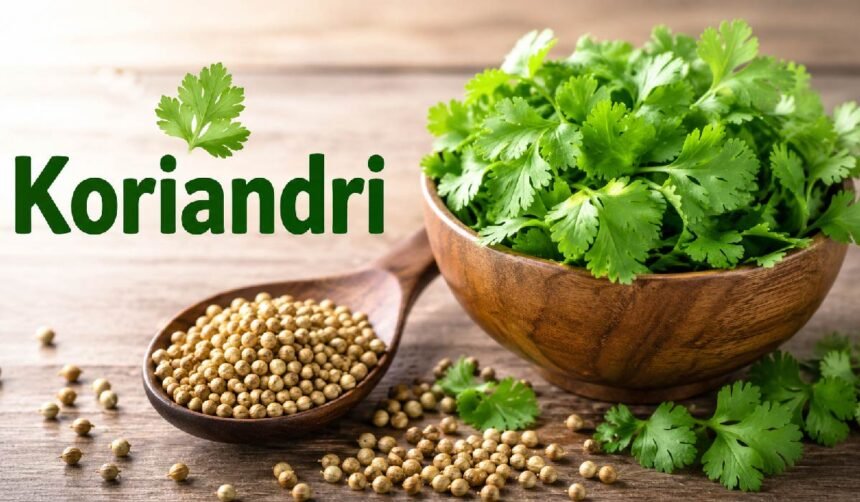
The word koriandri refers to a natural herb that is known worldwide for both cooking and health uses. It is simply another name for the plant coriander. In different countries, people use different words for the same plant. For example, the fresh green leaves are often called cilantro, while the seeds are known as coriander.
In South Asian countries like Pakistan and India, the word dhania is very common. Fresh leaves are called hara dhania, and seeds are called sabut dhania. Even though the names are different, they all refer to the same plant.
The reason for these different names is language and culture. Each region developed its own name over time. However, the plant itself is the same everywhere. Understanding this helps remove confusion and makes it easier to use koriandri in cooking and health practices.
Scientific Classification of Koriandri
Koriandri is scientifically known as Coriandrum sativum. It belongs to the Apiaceae family, which also includes plants like parsley, carrot, and celery. It is an annual herb, which means it completes its life cycle in one growing season.
The plant has soft green leaves that look similar to parsley. It produces small white or light pink flowers, which later turn into round seeds. These seeds are dried and used as a spice.
Koriandri grows best in moderate climates with good sunlight and well-drained soil. It is easy to grow and can be planted in gardens or pots. Because of its simple growing needs and multiple uses, it is one of the most popular herbs in the world.
Origins and History of Koriandri
Koriandri has a long and rich history that goes back thousands of years. It was used in ancient Egypt, where it was valued for both cooking and medicine. Seeds of coriander were even found in the tomb of King Tutankhamun, showing how important it was in that time.
The Greeks and Romans also used koriandri in their daily life. They added it to food for flavor and used it in natural remedies for digestion and health. As trade increased, the herb spread to different parts of Asia and Europe.
In traditional medicine, koriandri was used to treat stomach problems, inflammation, and stress. Over time, it became popular in many cultures because of its taste and benefits.
Today, koriandri is used all over the world. Its long history shows that it is not just a modern trend but a trusted herb used for generations.
Different Names of Koriandri Around the World
Koriandri is known by many names depending on the country and language. In English-speaking countries, the seeds are called coriander, while the leaves are known as cilantro. In South Asia, it is called dhania, and fresh leaves are known as hara dhania.
In the Middle East, it is called kuzbara, while in Persian it is known as gashniz. In some regions, it is also called Chinese parsley because of its appearance and use in Asian cooking.
These different names show how widely koriandri is used in different cultures. Each name reflects local traditions and cooking styles. Even though the names are different, the importance of the herb remains the same.
This global identity makes koriandri a unique plant that connects different cultures through food and tradition.
Koriandri Leaves vs Koriandri Seeds
Koriandri leaves and seeds come from the same plant but are very different in taste and use. The fresh leaves have a bright, fresh, and slightly citrus flavor. They are often used in salads, chutneys, and garnishes. The seeds, on the other hand, have a warm, earthy, and slightly spicy taste.
The aroma of the leaves is fresh and strong, while the seeds have a mild and pleasant smell. The texture is also different, with leaves being soft and seeds being hard and dry.
In cooking, leaves are usually added at the end to keep their freshness, while seeds are cooked or ground to release their flavor. Nutritionally, leaves are rich in vitamins, while seeds provide minerals and fiber.
For storage, leaves need refrigeration, while seeds can be stored for months in dry containers. Both forms are important and used in different ways.
Nutritional Profile of Koriandri
Koriandri is rich in nutrients that support overall health. It contains vitamins A, C, and K, which are important for immunity, skin health, and blood function. These vitamins help the body fight infections and stay strong.
It also contains dietary fiber, which supports digestion and keeps the stomach healthy. Minerals like potassium, iron, calcium, and magnesium are present in coriander seeds. These minerals help in maintaining heart health, bone strength, and proper blood circulation.
Koriandri also contains antioxidants that protect the body from damage caused by harmful molecules. Essential oils found in the plant have antibacterial and anti-inflammatory properties.
These nutrients make koriandri more than just a flavor ingredient. It is a natural source of health support that can be easily added to daily meals.
Health Benefits of Koriandri
Koriandri offers many health benefits when used regularly in food. One of its main benefits is supporting digestion. It helps the body break down food and reduces problems like bloating and gas. Many traditional remedies use coriander for stomach health.
It is also rich in antioxidants, which protect the body from damage and help prevent diseases. Its anti-inflammatory properties can help reduce pain and swelling in the body, especially in joint-related conditions.
Koriandri may support heart health by helping control cholesterol levels. Some studies suggest that it can help regulate blood sugar levels, making it useful for people with diabetes.
It also strengthens the immune system because of its vitamins and natural compounds. For skin health, it may help reduce acne and improve skin texture.
Some people believe koriandri helps detox the body by removing harmful substances. While more research is needed, it is still considered a healthy herb.
Culinary Uses of Koriandri
Koriandri is widely used in cooking around the world. The fresh leaves are added to curries, soups, salads, and chutneys to give a fresh and bright flavor. They are also used as a garnish on dishes like biryani and rice.
In Mexican food, cilantro is used in salsas, tacos, and guacamole. In Asian cooking, it is added to soups and noodles for flavor. The leaves bring freshness to both simple and complex dishes.
The seeds are used as a spice. They are ground and added to curry powders, spice mixes, and marinades. They are also used in pickles and bread for a warm taste.
In Thai cooking, coriander roots are used to make pastes and sauces. This shows how every part of the plant is useful in cooking.
How to Use Koriandri in Everyday Cooking
Using koriandri in daily cooking is simple and easy. Fresh leaves should be added at the end of cooking to keep their flavor and color. You can sprinkle them on curries, soups, or salads for a fresh taste.
Coriander seeds should be lightly toasted before use. This brings out their natural oils and improves flavor. After toasting, they can be ground into powder and used in spices.
Koriandri works well with garlic, ginger, and other spices. It can be added to sauces, marinades, and even drinks.
For beginners, start by adding small amounts to your food. This helps you understand the taste and use it correctly in recipes.
How to Grow Koriandri at Home
Koriandri is easy to grow at home. It can be grown indoors in pots or outdoors in gardens. It needs sunlight for at least a few hours daily and grows best in well-drained soil.
Seeds should be planted directly into the soil and watered regularly. The plant grows quickly and can be ready for harvest in a few weeks.
Leaves can be cut when the plant is small, while seeds can be collected after the plant flowers and dries. To prevent early flowering, regular watering and cool conditions are helpful.
Growing koriandri at home ensures a fresh supply and better quality.
How to Store Koriandri Properly
Fresh koriandri leaves should be stored in the refrigerator. You can wrap them in a damp towel or keep them in a jar with water to keep them fresh for longer.
Leaves can also be frozen for long-term use. Seeds should be stored in airtight containers in a cool and dry place. They can last for many months without losing flavor.
Proper storage helps maintain freshness and quality.
Why Does Koriandri Taste Like Soap to Some People?
Some people feel that koriandri tastes like soap. This happens because of a gene called OR6A2. This gene makes certain people sensitive to specific compounds in the leaves called aldehydes.
Around 10 to 15 percent of people experience this taste difference. For them, the flavor feels unpleasant, while others enjoy it.
Interestingly, coriander seeds usually do not taste the same because they have a different chemical composition. This shows how genetics can affect taste.
Potential Side Effects and Precautions
Koriandri is generally safe, but some people may experience allergies. It may also lower blood sugar levels, so people with diabetes should use it carefully.
Those taking certain medicines should consult a doctor before using large amounts. Pregnant women can consume it in normal food amounts but should avoid concentrated forms.
Moderation is important, and medical advice is recommended if needed.
Who Should Include Koriandri in Their Diet?
Koriandri is beneficial for many people. Those with digestion problems can use it to improve stomach health. People looking for natural antioxidants can also benefit from it.
It is useful for home cooks who want better flavor and nutrition. Gardeners can grow it easily at home.
Anyone interested in natural herbs and healthy eating can include koriandri in their diet.
Koriandri in Traditional Medicine
Koriandri has been used in Ayurveda for digestion and cooling the body. In Chinese medicine, it is used for stomach problems and inflammation.
Middle Eastern cultures use it for healing and daily health. These traditional uses show its importance in natural medicine.
Modern research supports some of these benefits, making it a useful herb even today.
Koriandri Around the World: Cultural Importance
Koriandri is widely used in India and Pakistan in curries and chutneys. In Mexico, it is used in salsas and tacos. In the Middle East, it is used in dishes like hummus and falafel.
In Southeast Asia, it is used in soups and street food. Mediterranean countries also use it in traditional recipes.
This global use shows its importance in different cultures.
Common Mistakes People Make When Using Koriandri
Many people overcook fresh leaves, which removes their flavor. Some store seeds incorrectly, causing loss of taste.
Using too much can overpower dishes. Confusing cilantro with parsley is another common mistake.
Not toasting seeds properly also reduces flavor. Avoiding these mistakes helps improve cooking.
Final Thoughts
Koriandri is a simple but powerful herb used around the world. It adds flavor, nutrition, and health benefits to daily meals. Its long history shows its importance in different cultures.
From cooking to medicine, koriandri plays many roles. It is easy to use, grow, and store.
Adding koriandri to your daily life can improve both taste and health. It is a natural and valuable part of a balanced lifestyle.
FAQs
What is Koriandri and is it the same as coriander?
Koriandri is the same plant as coriander, scientifically known as Coriandrum sativum. The name changes depending on region. Leaves are often called cilantro, while seeds are known as coriander, but both come from the same plant.
What are the health benefits of Koriandri?
Koriandri supports digestion, reduces bloating, and provides antioxidants. It may help improve heart health, boost immunity, and regulate blood sugar levels. It is also useful for skin health due to its natural anti-inflammatory properties.
Why do some people dislike the taste of Koriandri?
Some people feel koriandri tastes like soap because of a gene called OR6A2. This gene makes them sensitive to certain compounds in the leaves, creating a different taste experience compared to others.
Can Koriandri be used every day in food?
Yes, koriandri can be used daily in normal food amounts. It is safe and healthy when used in cooking like curries, salads, and soups. However, it should be used in moderation for best results.
How should Koriandri be stored to keep it fresh?
Fresh koriandri leaves should be stored in the refrigerator using a damp cloth or water jar method. Seeds should be kept in an airtight container in a cool, dry place to maintain flavor for a longer time.
For more information, visit Theexpertmagazine