Introduction
Supermaked is a term that is gaining attention in online searches and retail discussions, leaving many people wondering what it really means. At first glance, it may look like a simple spelling variation of “supermarket,” but the growing interest around the word suggests something deeper. Supermaked refers to a supermarket-style retail store that offers groceries, fresh produce, beverages, household essentials, and daily-use products in one convenient location. In many contexts, it represents both the traditional supermarket model and a modern evolution of grocery retail that blends convenience, organization, and technology.
The reason more people are searching for Supermaked is that shopping habits are changing. Consumers want faster service, better prices, and smoother experiences. Whether used as a regional spelling variation or as a broader retail concept, Supermaked reflects how grocery stores are adapting to modern expectations. In this article, we will explore the Supermaked meaning, its history, features, operations, benefits, global presence, and future direction in clear and detailed language.
What Does Supermaked Mean?
Supermaked means a large self-service retail store that sells groceries and household products under one roof, similar to a supermarket. The term is often used as a variation of “supermarket,” especially in regions where language translation or spelling differences influence retail terminology. While it may not appear in every dictionary, its meaning aligns closely with the concept of a modern grocery retail store designed for convenience and efficiency.
The History and Evolution of Supermaked
To understand Supermaked fully, it is helpful to look at the history of grocery retail. In the past, people did not shop in large stores. Instead, they visited small specialty shops. One store sold meat, another sold bread, and another sold vegetables. Customers would ask a clerk to gather items from behind a counter. This process was slow and required multiple trips.
In the early twentieth century, the supermarket model was introduced. These stores allowed customers to walk through aisles, select items themselves, and pay at a checkout counter. This self-service format saved time and reduced labor costs. Over the years, supermarkets expanded in size and product variety. Large retail chains developed strong supply networks, allowing them to offer lower prices and consistent stock.
Supermaked reflects this evolution. It carries the traditional supermarket structure but adapts to modern needs. Technology now supports inventory tracking, faster payments, and improved customer service. The journey from clerk-based stores to self-service supermarkets and now to tech-supported Supermarket models shows how retail has changed to match consumer expectations.
Key Features of a Supermaked
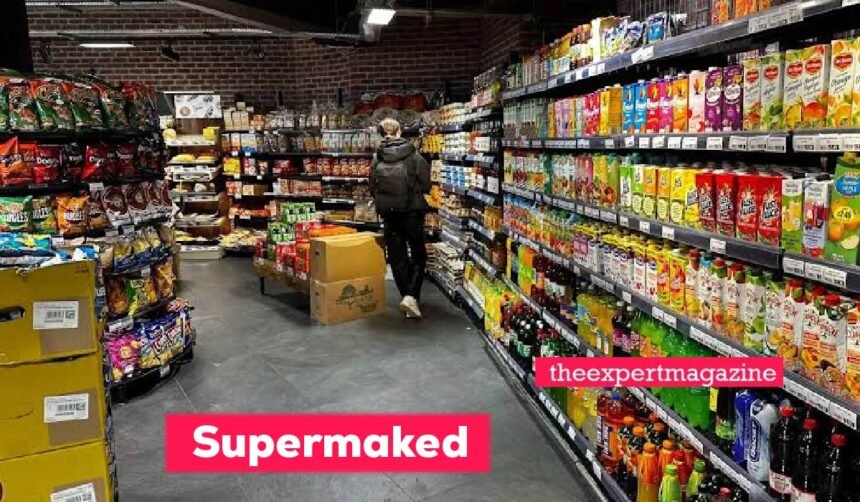
A Supermaked stands out because of its scale, organization, and customer-focused design. One of its main characteristics is Wide Product Variety. Customers can find groceries, fresh fruits and vegetables, dairy products, beverages, frozen foods, snacks, cleaning supplies, and personal care items in a single store. This broad selection reduces the need to visit multiple shops.
Another important feature is the Self-Service Layout. Shoppers use carts or baskets to collect items as they move through clearly marked aisles. Products are displayed in organized sections, making it easier to locate specific categories. This layout supports independence and speeds up the shopping process.
The Competitive Pricing Model is also central to the Supermarket concept. Stores buy products in bulk from suppliers and wholesalers. This lowers the cost per unit and allows them to offer affordable prices. Discounts, loyalty programs, and weekly promotions further enhance value.
An Organized Store Structure ensures that sections such as produce, dairy, meat, beverages, and household goods are clearly separated. Good signage and logical placement help customers navigate easily.
Finally, One-Stop Shopping Convenience makes Supermaked highly practical. Families can complete all their weekly grocery and household purchases in one visit, saving time and effort.
What You Can Buy at a Supermaked
A Supermaked offers a wide range of products divided into different sections to meet daily needs. The Fresh Produce Section usually greets customers at the entrance. It includes fruits, vegetables, herbs, and seasonal items. Freshness and regular restocking are important here, as customers rely on quality produce for their meals.
The Dairy and Meat Department contains milk, yogurt, cheese, butter, eggs, poultry, beef, and sometimes fish. These areas are carefully temperature-controlled to maintain food safety. Many Supermakeds also provide packaged and ready-to-cook meat options for convenience.
In the Pantry and Grocery Aisles, shoppers find rice, flour, pasta, grains, canned goods, cooking oils, spices, and condiments. These items form the base of everyday cooking. Shelves are arranged by category to make selection easier.
The Beverages Section includes bottled water, soft drinks, juices, tea, coffee, and sometimes energy drinks. Products are typically grouped by type and brand.
Household Essentials such as detergents, cleaning sprays, paper towels, trash bags, and storage items are also available. Many supermarkets also offer Convenience and Ready-to-Eat Foods like frozen meals, snacks, baked goods, and fresh bread to suit busy lifestyles.
How Supermaked Operates Behind the Scenes
Behind the organized shelves of a Supermaked lies a structured operational system. Supply Chain Management plays a crucial role. Stores source products from manufacturers, wholesalers, and distributors. Large chains often use central warehouses to distribute goods efficiently across multiple locations.
Inventory Control Systems track stock levels, monitor expiration dates, and analyze sales patterns. These systems reduce waste and ensure popular products remain available. Technology helps managers understand which items sell quickly and which need restocking.
Checkout and Payment Systems have also evolved. Traditional cashier counters remain common, but many Supermakeds now offer self-checkout machines and digital payment options. This reduces waiting times and improves convenience.
The Bulk Purchasing Strategy allows Supermakeds to operate on a low-margin, high-volume model. By selling large quantities at competitive prices, stores maintain profitability while keeping products affordable for customers.
Why Supermakeds Are Important in Daily Life
Supermakeds play a central role in everyday living. They save time by allowing customers to complete multiple purchases in one location. Instead of visiting separate stores for food and cleaning supplies, shoppers can find everything under one roof.
They are also budget-friendly. Competitive pricing and promotional offers make essential goods accessible to a wide range of households. Reliable product availability ensures families can plan meals and manage household tasks without disruption.
In urban areas, supermarkets provide convenience for busy professionals and students. Organized layouts and predictable stock make shopping faster and less stressful. Overall, they support efficient household management and simplify daily routines.
Supermaked vs Supermarket: Is There Any Difference?
Many people ask whether there is a real difference between a supermarket and a supermarket. In most cases, the difference is linguistic rather than structural. Supermaked is often a regional spelling variation or translation-based adaptation of supermarket.
Both terms describe a large self-service grocery store offering food and household items. The business model, layout, and operational structure remain the same. Whether labeled Supermaked or supermarket, the core function does not change.
The confusion arises because Supermaked is not always listed in standard English dictionaries. However, in practice, it refers to the same retail concept. Therefore, there is no major functional difference between the two.
Advantages and Limitations of the Supermaked Model
The Supermaked model offers several advantages. Customers benefit from product variety, competitive prices, and convenient layouts. The ability to complete weekly shopping in one place saves time and energy. Organized aisles and clear signage improve navigation.
However, there are also limitations. Large stores can become crowded during peak hours. The wide selection may encourage impulse buying. Some shoppers may feel overwhelmed by the size of the store.
Balanced analysis shows that while Supermakeds provide strong convenience and value, careful planning and mindful shopping habits improve the experience.
How Technology Is Changing the Supermaked Experience
Technology is reshaping the Supermaked experience in meaningful ways. Self-checkout machines allow customers to scan and pay for items independently. Mobile payment systems reduce the need for cash and speed up transactions.
Online ordering and home delivery services extend the store beyond physical walls. Customers can shop digitally and pick up items in-store or receive them at home.
AI-based inventory tracking improves stock accuracy and reduces waste. Loyalty programs use digital platforms to offer personalized discounts. These technological improvements create a smoother and more efficient shopping journey.
Supermakeds Around the World
Supermakeds exist in many forms across the globe. In Europe, stores are often compact and located within neighborhoods. They focus on fresh produce and local goods.
In North America, supermarkets are typically large, with extensive aisles and additional services such as bakeries and pharmacies.
In Asia, the model combines traditional markets with modern retail practices. Many stores offer ready-to-eat meals alongside groceries.
In the Middle East, supermarkets often stock international products to serve diverse communities. Despite regional differences, the core purpose remains convenience and variety.
Tips for Shopping Smart at a Supermarket
Shopping smart at a Supermaked begins with preparation. Creating a shopping list helps avoid unnecessary purchases. Comparing prices between brands ensures better value. Choosing seasonal produce often provides fresher and more affordable options.
Checking expiration dates guarantees product quality. Shopping during off-peak hours reduces stress and saves time. These practical habits improve the overall experience and help manage household budgets effectively.
The Future of Supermaked
The future of Supermaked lies in hybrid models that combine physical stores with digital convenience. Online ordering systems will continue to expand. Sustainability practices such as eco-friendly packaging and reduced food waste are becoming priorities.
Faster checkout systems and contactless payments will improve efficiency. Personalization trends will allow stores to tailor promotions and product recommendations. As consumer expectations evolve, Supermakeds will adapt to remain relevant and practical.
Conclusion
Supermaked represents the modern version of the supermarket model, combining variety, affordability, and organized shopping under one roof. Its evolution from small specialty shops to large self-service stores reflects changes in consumer behavior and technology.
Today, supermarkets continue to play a vital role in daily life by saving time, offering competitive prices, and providing reliable access to essential goods. While the term may vary by region, the concept remains consistent and practical.
As retail continues to evolve, supermarkets will remain central to modern living, adapting to new technologies and customer expectations while maintaining its core purpose of convenience and accessibility.
FAQs About Supermaked
What is Supermaked?
Supermaked is a large self-service grocery store that sells food, beverages, fresh produce, dairy products, and household essentials in one place. It works like a supermarket and is designed to make shopping easy, organized, and convenient. Customers can walk through aisles, choose products themselves, and pay at checkout counters or self-checkout machines.
Is Supermaked the same as a supermarket?
Yes, in most cases, Supermaked is simply a spelling variation of “supermarket.” Both terms refer to a retail store that offers groceries and daily-use items under one roof. The structure, products, and business model are generally the same. The difference is mostly linguistic or regional.
What products can you buy at a supermarket?
At a Supermaked, you can buy fresh fruits and vegetables, dairy items like milk and cheese, meat and poultry, rice and flour, snacks, beverages, cleaning supplies, and personal care products. Many Supermakeds also offer frozen foods and ready-to-eat meals. It is designed as a one-stop shop for everyday needs.
How does a Supermaked work?
A Supermaked operates on a self-service system. Customers pick items from organized shelves, place them in a cart or basket, and pay at the checkout. Behind the scenes, the store uses supply chains, inventory systems, and bulk purchasing to keep products available and prices competitive.
Why are supermarkets important in daily life?
Supermakeds are important because they save time and provide convenience. Instead of visiting different stores for groceries and household items, customers can buy everything in one place. They also offer competitive prices, reliable product availability, and organized shopping, which makes managing daily life easier.
For More More Visit, theexpertmagazine