Introduction
The term “piragnia” often catches people’s attention, especially those who are curious about fish or aquatic life. Many people search for this word online because it sounds very similar to “piranha,” a well-known freshwater fish famous for its sharp teeth and strong bite. This similarity creates confusion, making people wonder whether piragnia is a different fish or simply another name for piranha.
In most cases, the term piragnia appears due to spelling mistakes, pronunciation differences, or informal use on the internet. In this article, you will explore everything about piragnia in a clear and simple way. We will explain its meaning, origin, connection with piranhas, behavior, habitat, myths, and its importance in nature so you can fully understand the truth behind this interesting term.
What Is Piragnia?
Piragnia is not a scientific or officially recognized name for any fish species. Instead, it is commonly used as an alternative or mistaken spelling of the word “piranha.” People often come across this term when reading blogs, social media posts, or searching online, where spelling errors are very common. In simple words, piragnia usually refers to the same fish known as piranha. It does not describe a new or different species. Because the internet allows information to spread quickly, even incorrect words can become popular over time. That is why many people believe piragnia is a real fish. However, experts and scientists only recognize the term piranha when talking about this group of freshwater fish.
Origin and Meaning of the Word Piragnia
The word piragnia likely developed from small changes in spelling or pronunciation of the word piranha. In different regions, people may pronounce words differently, especially when English is not their first language. Over time, these small changes can turn into new spellings. The internet also plays a big role in spreading such variations.
When someone writes piragnia in a blog or social post, others may copy it without checking the correct spelling. This leads to the word becoming more common in search engines. Informal writing, fast typing, and lack of editing also contribute to such variations. These kinds of changes are normal in language development, but they can sometimes create confusion, especially when people think a new word represents something different.
Piragnia vs Piranha: Understanding the Difference
When comparing piragnia and piranha, it is important to understand that they usually refer to the same fish. The main difference is that piranha is the correct and scientifically accepted term, while piragnia is an informal or incorrect version. Piranhas belong to a group of freshwater fish known for their sharp teeth and strong jaws.
They are part of a well-studied family of fish that live mainly in South America. The confusion exists because piragnia looks and sounds very similar to piranha, leading many people to believe it is a different species. Piragnia is not a separate species, and there is no scientific classification or research that recognizes it as such. It is simply a variation of the correct word.
Scientific Classification of Piranhas
Piranhas are part of a group of freshwater fish that belong to a larger biological family. Scientists classify animals based on their physical features, behavior, and genetic makeup. Piranhas are known to belong to a family of fish that includes both meat-eating and plant-eating species. There are several types of piranhas, each with slightly different features and habits. Scientists use clear naming systems to avoid confusion, which is why only the term piranha is used in research and studies. The term piragnia does not appear in any scientific classification because it is not an official name. This is important because scientific naming helps people around the world understand exactly which species is being discussed without confusion.
Physical Characteristics of Piragnia (Piranhas)
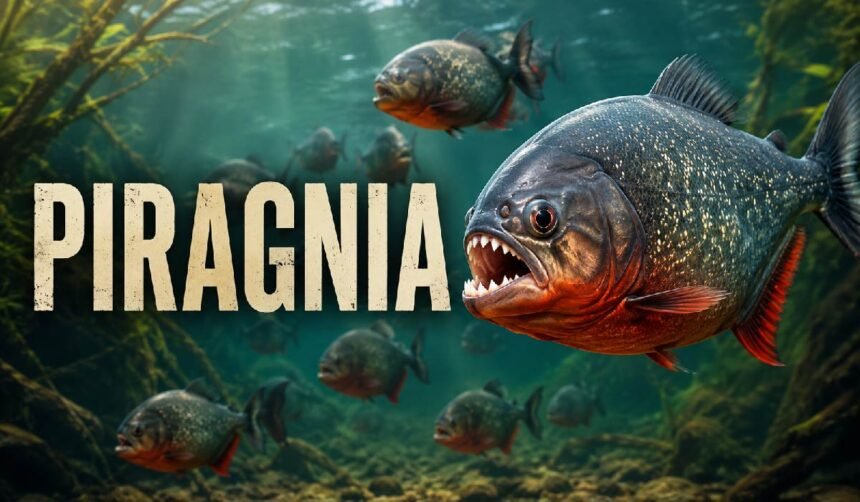
Piranhas are generally small to medium-sized fish with a strong and compact body. Most species grow between a few inches and about a foot in length, although some can grow slightly larger. They often have a silver or gray body with a noticeable red or orange color on the belly, especially in certain species. One of their most well-known features is their teeth. These teeth are sharp, triangular, and perfectly aligned, allowing them to cut through food quickly. Their jaws are very powerful compared to their size, making them efficient feeders. They have sharp triangular teeth and a strong bite force, which contribute to their reputation as dangerous fish, even though their behavior is often misunderstood.
Natural Habitat of Piragnia
Piranhas, often referred to as piragnia in informal use, live mainly in the freshwater rivers of South America. They are commonly found in large river systems such as the Amazon and Orinoco. These areas provide warm water and plenty of food, which are ideal conditions for their survival. They prefer slow-moving waters, shallow areas, and places filled with plants. During the rainy season, rivers overflow into nearby forests, creating new feeding areas where piranhas can find more food. The environment plays a major role in their behavior, as food availability, water level, and temperature all affect how they move and feed. Their ability to adapt to these changing conditions helps them survive in different environments.
Diet and Feeding Behavior
Piranhas are often described as aggressive meat-eaters, but their diet is more varied than many people think. They eat small fish, insects, and sometimes plant material such as seeds and fruits. Some species are even more plant-based in their diet. They are known as opportunistic feeders, which means they eat what is available rather than constantly hunting large prey. They may also feed on dead animals in the water, acting as scavengers. They are opportunistic feeders, not constant hunters, which means they do not always attack living animals. Their feeding behavior depends on their environment and food supply, making them flexible and adaptable in different conditions.
Behavior and Social Structure
Piranhas are social fish that often live in groups called schools. These groups can range from a few individuals to large numbers of fish swimming together. Living in a group helps protect them from predators and increases their chances of finding food. Within these groups, piranhas interact with each other in different ways, including feeding and moving together. While they are known for their sharp teeth, they are not always aggressive. In many cases, they are cautious and avoid danger. Their behavior can change depending on factors such as hunger, water conditions, and the presence of threats. Group living also helps them respond quickly to changes in their environment.
Are Piragnia Dangerous to Humans?
Many people believe that piragnia, or piranhas, are extremely dangerous to humans. This belief mostly comes from movies and stories that exaggerate their behavior. In reality, attacks on humans are very rare. Piranhas usually avoid large animals, including humans, because they do not see them as regular prey. They may become aggressive if they feel threatened or if food is very limited, but such situations are uncommon. Most interactions between humans and piranhas are harmless. People even swim in rivers where piranhas live without any problems. While caution is always important in nature, the idea that piranhas constantly attack humans is not true.
Popular Myths About Piragnia
There are many myths about piragnia, especially about how dangerous they are. One common myth is that they attack humans instantly in large groups. Another popular belief is that they can strip a large animal down to bones within seconds. These ideas are mostly based on fictional stories and movies rather than real-life observations. In reality, piranhas do not behave in such extreme ways. They are careful and often avoid unnecessary risks. Most myths are exaggerated, and understanding the truth helps people see these fish in a more realistic way. Learning the facts is important to avoid fear based on incorrect information.
Role of Media in Creating Fear
Movies, television shows, and online videos have played a big role in shaping how people think about piranhas. Many films show them as aggressive killers that attack anything in the water. These dramatic portrayals are designed to entertain, not to educate. Over time, these images become part of public belief, making people fear piranhas more than necessary. The difference between fiction and reality is often ignored, especially when stories are repeated many times. Fear-based content spreads quickly because it grabs attention. As a result, many people believe exaggerated stories instead of looking at scientific facts and real observations.
Ecological Importance of Piragnia
Piranhas play an important role in maintaining the balance of their ecosystems. They help clean the water by feeding on dead animals and organic matter. This prevents the buildup of waste and keeps the environment healthy. They also help control the population of smaller fish, which supports a balanced food chain. By doing this, they contribute to biodiversity and the overall health of river systems. Without fish like piranhas, ecosystems could become unbalanced. Their role is not just about feeding but also about supporting the natural cycle of life in freshwater environments.
Types of Piranhas Commonly Linked to Piragnia
There are several types of piranhas, each with its own behavior and features. Some are more aggressive, while others are calm and feed mostly on plants. These differences depend on their environment and food sources. Certain species are known for their red belly, while others have different color patterns. Some are more active hunters, while others rely more on scavenging. These variations show that not all piranhas behave the same way. Understanding these differences helps explain why their reputation is not always accurate. Each type adapts to its surroundings in its own way.
Reproduction and Life Cycle
Piranhas reproduce by laying eggs, usually in shallow water where conditions are safe. The female lays eggs, and in some cases, the male helps protect them until they hatch. Once the young fish are born, they grow quickly and learn to find food on their own. However, many young fish do not survive because they can be eaten by predators or face environmental challenges. This is a natural part of their life cycle. As they grow, they become stronger and better able to survive. Their life cycle depends on water conditions, food availability, and environmental stability.
Conservation Status and Environmental Threats
Piranhas are not currently considered endangered, but they do face environmental challenges. Deforestation affects river systems by changing water conditions and reducing food sources. Pollution from human activities can harm water quality and affect fish health. Overfishing is another concern, especially in areas where piranhas are used as food. Habitat destruction is one of the biggest threats, as it reduces the space where these fish can live and reproduce. Protecting rivers and forests is important for maintaining healthy populations. Conservation efforts focus on preserving natural habitats and reducing harmful human impact.
Human Interaction and Fishing Practices
In many parts of South America, people catch piranhas for food. They are an important part of local diets and are considered a normal food source. Fishing practices vary from simple methods to more organized systems. In some areas, piranhas are also kept in aquariums, although this requires proper care and knowledge. They also have cultural importance in certain communities. Responsible fishing is important to avoid overharvesting and to protect the balance of the ecosystem. Human interaction with piranhas is not always negative and can be part of a sustainable relationship with nature.
Why the Term Piragnia Is Trending Online
The term piragnia has become more popular online due to search engine behavior and user mistakes. People often type quickly or rely on suggestions that may not always be correct. When a misspelled word appears often, search engines may start recognizing it as a common term. Social media and blogs also contribute by spreading the word without correction. Curiosity plays a big role, as people search to find out what piragnia means. Search trends can create new “terms”, even if they are not scientifically correct. This shows how digital platforms can influence language and knowledge.
How to Use the Term Piragnia Correctly
It is important to use the term piragnia carefully to avoid confusion. In most cases, it is better to use the correct word piranha, especially in formal writing or educational content. Piragnia can be used when discussing common search terms or explaining the confusion around the word. Writers should aim for clarity and accuracy to help readers understand the topic properly. Using correct terminology also builds trust and improves the quality of information. Avoiding misinformation is important, especially when writing for a wide audience.
Future of Piragnia Awareness and Research
As interest in wildlife and aquatic life continues to grow, more people are learning about fish like piranhas. Education and awareness help correct misunderstandings and spread accurate information. Scientists continue to study aquatic ecosystems to better understand how these fish live and interact with their environment. Digital platforms also play a role in sharing knowledge, although accuracy remains important. As more people become aware of the difference between piragnia and piranha, confusion may decrease. Promoting correct information helps protect both knowledge and the natural world.
Conclusion
In conclusion, piragnia is not a separate or scientifically recognized fish but a variation or misspelling of the word piranha. The confusion comes from language differences, internet usage, and informal writing. While piranhas are often seen as dangerous predators, the reality is much more balanced. They are important members of their ecosystems and play a key role in maintaining natural balance. Most myths about them are exaggerated and influenced by media. By understanding the truth, we can replace fear with knowledge. Learning about piragnia and piranhas helps us appreciate these fish for what they truly are and highlights the importance of accurate information in today’s digital world.
FAQs
What is piragnia?
Piragnia is not a real scientific term. It is usually a misspelling or variation of the word piranha, a well-known freshwater fish found in South America.
Is piragnia a different fish from piranha?
No, piragnia is not a different fish. It commonly refers to piranha, and there is no separate species officially named piragnia.
Are piragnia dangerous to humans?
Piragnia, meaning piranhas, are not usually dangerous to humans. Attacks are very rare and mostly happen only when they feel threatened or food is scarce.
Where are piragnia found?
Piragnia, or piranhas, are mainly found in the rivers of South America, especially in the Amazon and Orinoco river systems.
Why do people search for piragnia instead of piranha?
People search for piragnia بسبب spelling mistakes, pronunciation differences, or incorrect information online, which makes the term appear in search results.
For more information, visit Theexpertmagazine