Introduction
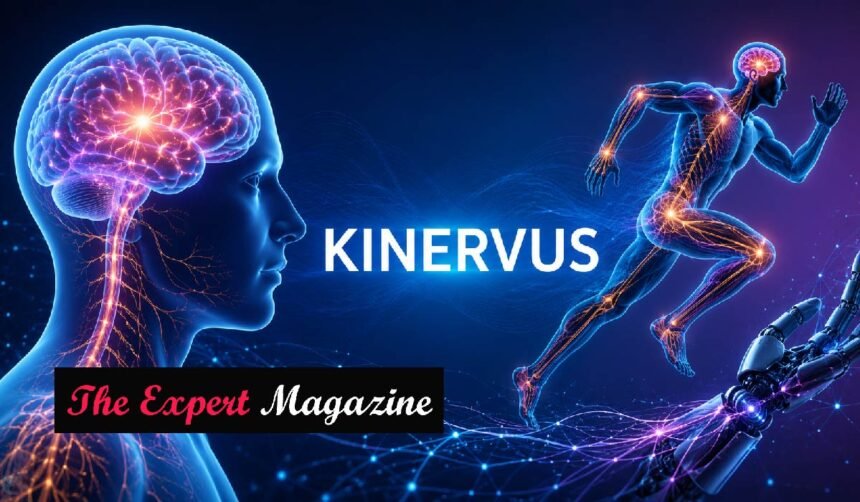
Kinervus is a modern concept that describes the connection between human movement and the nervous system. The term combines “kinesis,” meaning movement, and “nervus,” meaning nerves, to represent how the brain, nerves, and muscles work together to control physical actions. In simple terms, Kinervus explains how the body moves based on signals from the brain.
Today, Kinervus is used across different fields such as physiotherapy, neuroscience, and even advanced technology. In healthcare, it relates to rehabilitation and movement recovery. In science, it connects to how neural pathways control motion. In technology, it reflects systems that respond to human intent. This wide usage is one of the main reasons why people are searching for “Kinervus” online.
Another reason for growing interest is confusion around the term. Some people think Kinervus is a clinic, others see it as a concept, while some view it as a brand name. In reality, it can represent all three depending on the context. This flexibility makes it unique but also creates curiosity among readers.
In this article, we will explore the full meaning of Kinervus, its scientific background, its role in rehabilitation, and its growing importance in technology and daily life. By the end, you will have a clear and simple understanding of what Kinervus truly represents.
Meaning and Definition of Kinervus
Kinervus is a term used to describe the relationship between the nervous system and physical movement. It represents how the brain sends signals through nerves to muscles, allowing the body to perform actions smoothly and efficiently. This concept highlights the importance of coordination between mind and body.
From a scientific point of view, Kinervus focuses on neural pathways and how they control motion. It explains that movement is not only about muscles but also about how the brain communicates with the body. In the modern digital world, Kinervus can also represent smart systems that respond to human behavior and intention.
In healthcare, Kinervus is closely linked to physiotherapy and rehabilitation. It reflects methods that improve movement by strengthening nerve-muscle communication. This makes it useful for recovery after injury or illness. The reason it sounds technical and futuristic is that it combines biology with modern innovation, making it appealing in both science and technology fields.
Origin of the Word “Kinervus”
The word Kinervus is formed by combining two meaningful parts. The first part, “kine,” comes from the word kinesis, which means movement or motion. The second part, “nervus,” is a Latin word that refers to nerves. When these two are combined, the result is a term that represents movement controlled by the nervous system.
This type of word formation is common in modern branding and scientific naming. By combining classical roots with modern ideas, new terms are created that sound both professional and innovative. Kinervus follows this pattern, making it feel credible and futuristic at the same time.
Over time, Kinervus has evolved from just a word into a concept that people use in different ways. It may refer to a rehabilitation method, a healthcare service, or even a technology idea. This evolution shows how language adapts to new needs, especially in fields where science and innovation meet.
The Science Behind Kinervus (Movement + Nervous System)
The science behind Kinervus is based on how the human body moves. Every movement starts in the brain, where signals are created. These signals travel through neural pathways, pass along the spinal cord, and reach the muscles. Once the muscles receive these signals, they contract or relax to create movement.
This process is not one-directional. It works as a feedback loop. After the body moves, sensory nerves send information back to the brain about position, balance, and force. The brain then adjusts the movement if needed. This continuous communication ensures smooth and controlled actions.
Another important concept related to Kinervus is neuroplasticity. This means the brain can adapt and change over time. When people practice movements repeatedly, their neural pathways become stronger. This helps improve coordination and efficiency. This is why training, therapy, and repetition are so important.
Understanding this science shows that movement is not just physical. It is deeply connected to the nervous system. Kinervus represents this connection, making it a powerful concept in both science and healthcare.
Kinervus in Physiotherapy and Rehabilitation
Kinervus plays an important role in modern physiotherapy and rehabilitation. Traditional therapy often focused only on muscles and joints, but modern approaches look at how the nervous system controls movement. Kinervus reflects this shift by emphasizing coordination between nerves and muscles.
In rehabilitation, this concept is used to help patients recover from injuries or medical conditions. Instead of simply building strength, therapists work on restoring proper movement patterns. This includes improving balance, coordination, and control.
One key feature of Kinervus-based therapy is personalization. Each patient receives a treatment plan based on their condition and needs. This approach ensures better results and faster recovery. It also helps prevent future injuries by correcting movement patterns.
Compared to traditional methods, Kinervus focuses more on long-term improvement rather than short-term relief. This makes it a valuable concept in modern healthcare.
Neurological Rehabilitation and Kinervus
Neurological rehabilitation is one of the most important areas where Kinervus is applied. Conditions such as stroke, Parkinson’s disease, and nerve injuries affect how the brain communicates with the body. This leads to problems with movement, balance, and coordination.
Kinervus-based therapy focuses on restoring this communication. Through targeted exercises, patients can retrain their brain and nervous system. This process takes time, but it can significantly improve the quality of life.
The concept of neuroplasticity is again important here. The brain has the ability to form new connections, even after damage. By repeating specific movements, patients can rebuild these pathways and regain control.
This approach makes Kinervus highly effective in neurological recovery, as it addresses the root cause of movement problems rather than just the symptoms.
Pediatric Physiotherapy and Kinervus Approach
Kinervus is also very useful in pediatric physiotherapy, where the focus is on helping children develop proper movement skills. Some children may experience delays in motor development or have conditions that affect coordination and balance.
The Kinervus approach uses play-based therapy to make treatment engaging for children. Instead of strict exercises, activities are designed to feel like games. This helps children stay motivated while improving their skills.
Early intervention is very important. When therapy starts at a young age, children have a better chance of developing normal movement patterns. Kinervus supports this by focusing on both physical and neural development.
This approach not only improves physical ability but also builds confidence and independence in children.
Kinervus in Technology and Human–Machine Interaction
Kinervus is becoming increasingly relevant in technology, especially in human–machine interaction. Modern devices are designed to respond to human actions and even predict intentions. This reflects the same principles found in the nervous system.
Wearable devices, for example, can track muscle activity and movement. Some advanced systems can even detect nerve signals. These technologies use data to improve user experience and performance.
Prosthetics are another area where Kinervus plays a role. Modern artificial limbs can respond to nerve signals, allowing users to control them naturally. This creates a more seamless connection between human and machine.
As technology continues to evolve, the idea of Kinervus will likely become more important. It represents a future where machines work in harmony with the human body.
Kinervus and Human Performance Optimization
Kinervus is also connected to improving human performance. Athletes, for example, rely on precise coordination between their brain and muscles. Training is not just about strength but also about neural efficiency.
Improving reaction time, balance, and coordination can enhance performance in sports and daily activities. Kinervus highlights the importance of this connection, showing that better neural control leads to better results.
This concept is also useful for everyday life. Simple actions like walking, typing, or maintaining posture depend on proper nerve-muscle communication. By improving this connection, people can reduce strain and increase efficiency.
Kinervus as a Brand or Concept
Kinervus is also used as a brand name because it sounds modern and intelligent. It combines science with innovation, making it attractive for startups and technology companies.
The name suggests a focus on movement, intelligence, and connection. This makes it suitable for industries like health-tech, fitness, and AI. It also has strong potential for growth, as it can represent a wide range of products and services.
Because of its flexibility, Kinervus can be used in many different ways. This makes it a powerful identity in today’s competitive market.
Core Principles Behind Kinervus
Kinervus is built on several key principles that guide its application. User-centered design ensures that systems are easy to use and focused on real needs. Adaptability allows solutions to change based on individual requirements. Efficiency focuses on simplifying tasks and reducing effort. Mental and physical balance highlights the importance of overall well-being. Together, these principles create a strong foundation for both healthcare and technology applications.
Applications of Kinervus in Real Life
Kinervus can be applied in many areas of daily life. In healthcare, it improves rehabilitation and recovery. In fitness, it enhances training and performance. In technology, it supports smart systems and AI tools. In education, it helps improve learning methods. Even in productivity systems, it promotes better organization and efficiency. This wide range of applications makes Kinervus a valuable concept.
Why Is “Kinervus” Trending Online?
The term Kinervus is trending because it is unique and sounds advanced. People are curious to understand its meaning and applications. It also aligns with current trends in technology and wellness, which increases its popularity.
Online discussions, blogs, and content creators have also contributed to its growth. As more people use the term, its visibility continues to increase. This makes it an important keyword in digital spaces.
Benefits of the Kinervus Approach
The Kinervus approach offers many benefits. It improves movement control, supports faster recovery, and enhances productivity. It also promotes mental clarity and reduces stress by simplifying processes. These benefits make it useful in both personal and professional life.
Challenges and Limitations of Kinervus
Despite its advantages, Kinervus has some limitations. It is not a standardized term, which can create confusion. There is limited official documentation, and it is sometimes used as a buzzword. However, understanding its core meaning can help overcome these challenges.
Future of Kinervus (2026 and Beyond)
The future of Kinervus looks promising. Advances in brain-computer interfaces and AI will make the concept more relevant. Smart rehabilitation systems and personalized digital tools will continue to grow. As technology evolves, Kinervus will likely play a key role in connecting humans and machines.
Conclusion
Kinervus is a powerful concept that connects movement with the nervous system. It represents how the brain, nerves, and muscles work together to create action. Its applications in healthcare, technology, and daily life make it highly relevant today.
As the world moves toward smarter systems and personalized solutions, Kinervus will continue to grow in importance. It reflects a future where human ability and technology work together in harmony.
FAQs About Kinervus
What is Kinervus in simple words?
Kinervus is the connection between the brain, nerves, and body movement. It explains how the brain sends signals through nerves to control muscles and create smooth physical actions in daily life.
Is Kinervus a real medical term or just a concept?
Kinervus is not an official medical term. It is a modern concept and sometimes a brand name used in physiotherapy, technology, and wellness to describe nerve-controlled movement and smart systems.
Why are people searching for Kinervus on Google?
People search for Kinervus because it sounds scientific and modern. They want to know if it is a clinic, a technology concept, or a health method related to movement and rehabilitation.
How is Kinervus used in physiotherapy and rehabilitation?
In physiotherapy, Kinervus focuses on improving the connection between nerves and muscles. It helps patients recover from injuries, strokes, and movement problems by retraining the brain and body together.
Can Kinervus be used in technology and AI?
Yes, Kinervus can be used in technology. It represents systems that respond to human movement and neural signals, such as smart devices, wearable tech, and advanced prosthetics.
For More Information Visit Theexpertmagazine